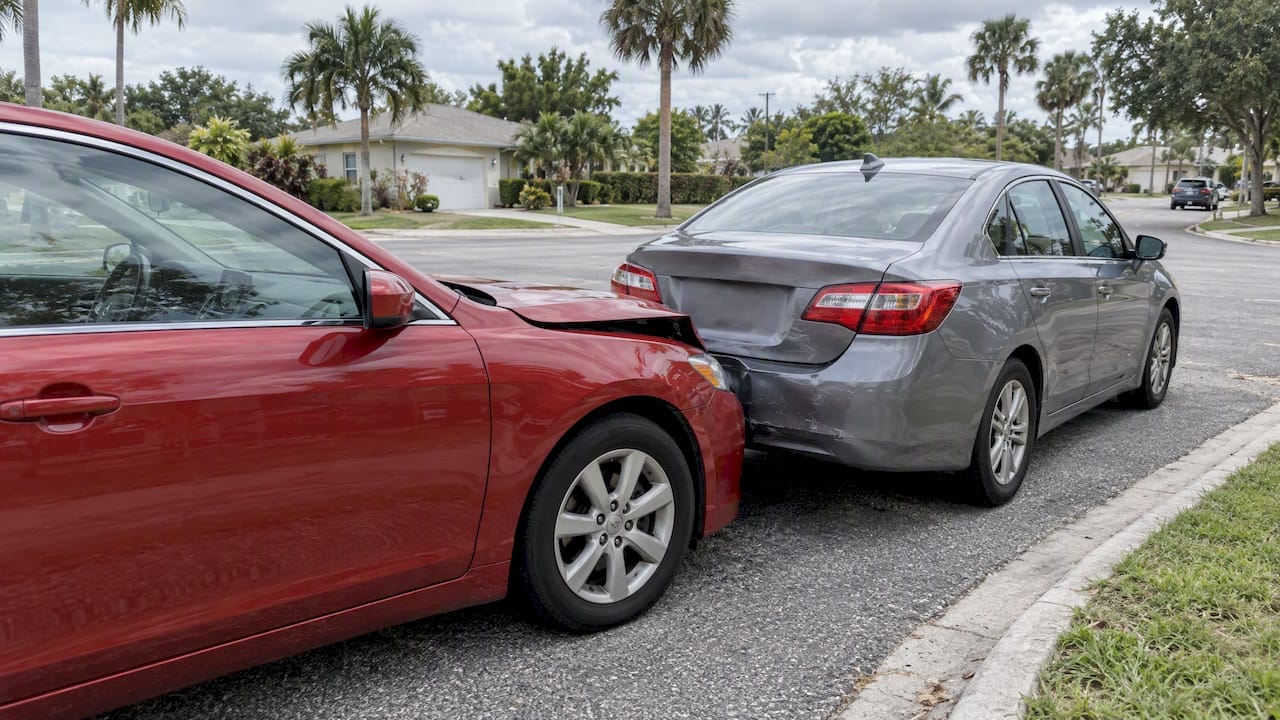
Most Florida car accident settlements fall between $10,000 and $150,000, though the exact number swings hard on three things: how serious the injury is, how much insurance coverage is actually available, and who the evidence says caused the crash. Florida’s no-fault insurance rules and comparative negligence law shape nearly every number that follows, often more than the accident itself.
TL;DR:
- Florida PIP pays the first $10,000 regardless of fault; a claim against the responsible driver beyond that generally requires meeting the serious injury threshold.
- Recovery may be capped by available policy limits, so request the declarations page early and check your own underinsured motorist coverage when limits fall short.
- Comparative negligence reduces compensation by the claimant’s percentage of fault, while clear liability evidence, consistent treatment records, and documented wage loss strengthen the claim.
- Fees, hospital liens, and Medicare or Medicaid reimbursement claims reduce net payout; resolve liens and document all bills before accepting a settlement.
Table of Contents
- Typical Settlement Ranges in Florida and What They Represent
- Factors That Most Change a Florida Settlement
- How Settlements Are Calculated in Practice
- Florida Law That Changes Settlement Prospects
- Sample Scenarios: Settlement Ranges by Injury Type
- Practical Steps to Maximize Recovery and Avoid Mistakes
- How We Evaluate Cases From the First Consultation
- Setting Realistic Expectations for Florida Claimants
- How Our Firm Helps Florida Accident Victims Move Forward
- FAQ
- Sources
Typical Settlement Ranges in Florida and What They Represent
Settlement figures cluster into bands that roughly track injury severity and the coverage layers involved. These are not promises, but they reflect how claims tend to sort themselves once medical treatment ends and negotiations begin.
- Under $10,000: Minor soft-tissue injuries treated briefly and resolved through PIP benefits alone, with no third-party claim filed.
- $10,000 to $50,000: Confirmed injuries (strains, mild disc issues) with weeks of physical therapy, some wage loss, and a liability claim against the at-fault driver’s bodily injury coverage.
- $50,000 to $150,000: Fractures, surgeries, or injuries with documented permanency, often involving wage loss and higher policy limits or stacked underinsured motorist coverage.
- $150,000 and above: Catastrophic injuries, permanent disability, or long-term care needs, where total damages are high enough to pursue every available policy.
The NAIC Auto Insurance Database Report puts Florida’s average paid bodily-injury liability claim at approximately $28,242 for the 2022 claim year. That figure describes what insurers paid across thousands of closed claims, not what any individual case is worth. It is a market benchmark, useful for sanity-checking an offer, but it says nothing about your medical bills, your lost wages, or how clearly the other driver was at fault.
Factors That Most Change a Florida Settlement
Two cases with similar injuries can settle for very different amounts once you account for the variables adjusters actually weigh.
- Economic damages: documented past medical bills, projected future treatment, lost wages, and vehicle repair or diminished value costs.
- Noneconomic damages: pain and suffering, permanency, and loss of enjoyment of life, which carry more weight once a doctor confirms a lasting impairment.
- Liability evidence: clean rear-end crashes with police reports and witnesses settle faster than disputed intersection collisions.
- Insurance limits and collectability: the real ceiling on recovery usually sits at the at-fault driver’s policy limit, not at the size of your damages.
- Offsets: hospital liens, Medicare or Medicaid reimbursement claims, and attorney fees all reduce what actually lands in your pocket.
Property damage and diminished value add a separate, often overlooked layer to total recovery, and resolving a hospital lien before finalizing a settlement protects more of the final check. On the liability side, how fault gets established after a crash often decides which end of the range a case lands in. When the at-fault driver carries only state minimum coverage, your own underinsured motorist coverage can become the difference between a token payout and full compensation for serious injuries.
Pro Tip: Request a copy of the at-fault driver’s policy declarations page early. Knowing the actual limits before you negotiate prevents wasted time chasing money that was never there.
How Settlements Are Calculated in Practice
Adjusters and attorneys do not pull numbers from thin air. They build a value using documented inputs and then negotiate from there.
- Separate total damages from net payout. Total damages combine economic and noneconomic losses; net payout is what remains after fees and liens are subtracted.
- Apply a pain-and-suffering method. Common approaches use a multiplier against medical specials or a per diem rate for each day of pain, adjusted up for permanency.
- Project future care costs. Ongoing treatment, future surgery, or lost earning capacity gets estimated using medical records and, in larger cases, expert testimony.
- Weigh documentation quality. Thin medical records or gaps in treatment give insurers room to argue the injury was minor or unrelated.
- Check policy limits and collectability. A well-documented $300,000 claim against a $25,000 policy still settles near the policy limit unless other coverage applies.
Florida law on pain and suffering outlines what proof is typically required to support noneconomic damages, which is often where negotiations stall.
Florida Law That Changes Settlement Prospects
Florida’s no-fault system means your own insurance pays first, regardless of who caused the crash. Under Florida Statutes §627.736, personal injury protection (PIP) provides $10,000 in medical and disability benefits plus a separate $5,000 death benefit, and this coverage applies before any third-party liability claim comes into play.
PIP covers the first $10,000 in medical bills regardless of fault, under Florida Statutes §627.736, but a separate lawsuit against the at-fault driver only becomes available once an injury meets Florida’s serious-injury threshold. That threshold generally requires significant and permanent loss of an important bodily function, permanent injury, or significant scarring, evaluated case by case rather than against a fixed checklist.
Florida also follows a comparative negligence rule. Under the principle confirmed in Birge v. Charron, a claimant’s percentage of fault reduces the recovery proportionally rather than barring it outright, and rebuttable presumptions like the rear-end presumption can shift how fault gets argued at trial.
- PIP applies first, regardless of fault, up to its statutory limits.
- Serious injury status opens the door to a claim against the at-fault driver beyond PIP.
- Comparative negligence reduces your recovery by your percentage of fault, it does not eliminate it.
- Statutes of limitation set hard deadlines, and waiting too long to consult an attorney can forfeit a valid claim entirely.
Sample Scenarios: Settlement Ranges by Injury Type
Mapping your own facts to a realistic band starts with comparing them to common patterns.
- Minor soft-tissue injury: immediate physical therapy, full recovery within weeks, usually resolved through PIP alone or a low-range third-party settlement.
- Moderate injury: imaging-confirmed damage (herniated disc, partial tear) with months of treatment and some missed work, typically landing in the mid-range once wage loss is documented.
- Surgery or fracture: surgical bills, extended time off work, and possible permanency push settlements toward the upper-mid or high range.
- Catastrophic or permanent impairment: long-term care needs, disability, and significant lost earning capacity can justify six-figure settlements, collectability of available insurance permitting.
Practical Steps to Maximize Recovery and Avoid Mistakes
What you do in the days and weeks after a crash shapes the final number more than most people expect.
- Get medical care immediately and follow through on every recommended treatment, since gaps give insurers an opening to dispute the injury.
- Preserve evidence: photos of the scene and vehicles, witness contact information, and the police report.
- Track lost income with pay stubs or a letter from your employer documenting missed time.
- Be careful with adjusters: avoid recorded statements early on and never sign a release until you understand the full scope of your injuries.
- Hire counsel when the stakes rise: surgery, permanent impairment, disputed liability, or policy limits that may not cover your damages.
Pro Tip: Keep every medical bill and explanation of benefits in one folder from day one. A clean paper trail speeds up negotiations and reduces disputes over what you’re owed.
Liens and reimbursement claims from Medicare, Medicaid, or the hospital itself get subtracted before you see a check, so factoring those into your expectations early avoids disappointment later.
How We Evaluate Cases From the First Consultation
Our team approaches each car accident claim by building a clear picture before negotiations start. During an initial consultation, we collect medical records, build a treatment chronology, search for all applicable insurance policies, and check for outstanding liens to produce a preliminary valuation. Bring your medical records, bills, wage statements, and police report so we can give you a grounded read on where your case likely stands.
Setting Realistic Expectations for Florida Claimants
A statewide average is a starting point, not a guarantee. The number that actually matters is built from your medical records, your wage documentation, and the available insurance coverage, which is why preserving evidence early and talking to an experienced Florida personal injury attorney before signing anything protects your position.
— John
How Our Firm Helps Florida Accident Victims Move Forward
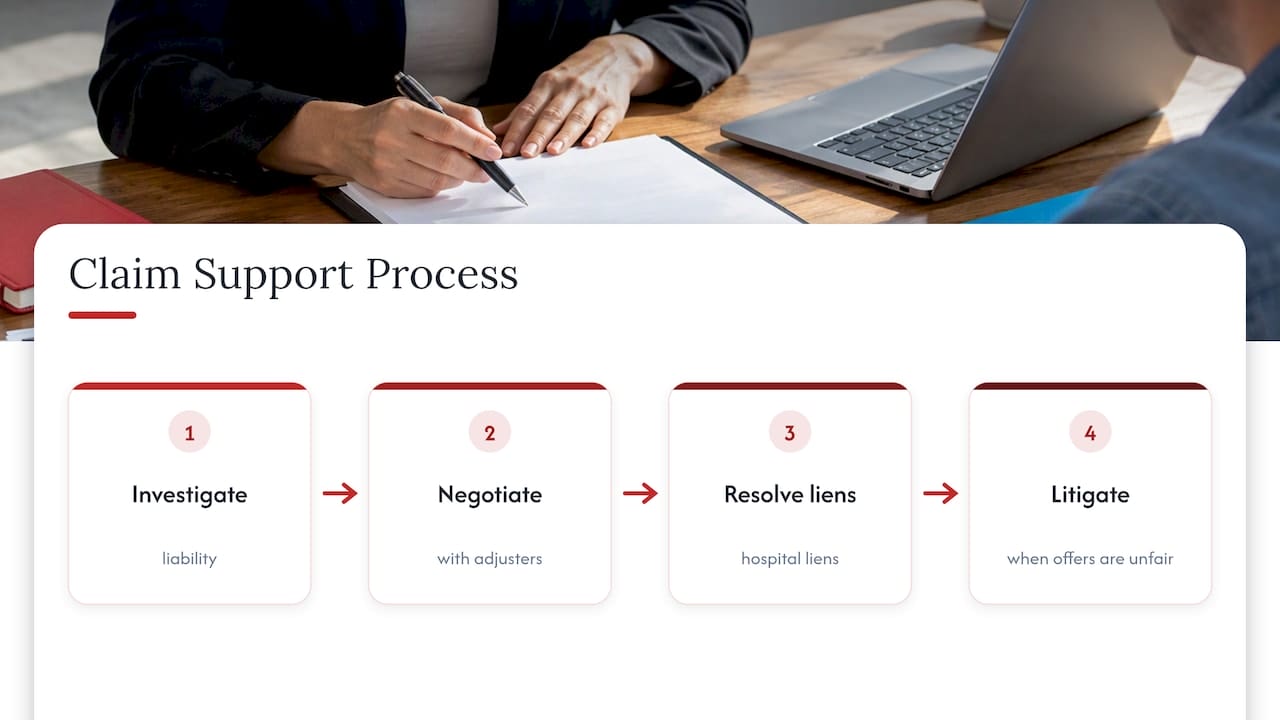
We handle the full arc of a Florida car accident claim: investigating liability, negotiating with adjusters, resolving hospital liens, and litigating when an insurer won’t offer fair value. An initial consultation can provide a clear read on your case; bring your medical records, bills, wage documentation, and police report so work can start on your file.

Visit our personal injury practice page to see how we support crash victims, or reach our main office to schedule your consultation.
This article is general information, not a substitute for advice from a qualified lawyer. Consult a qualified legal professional about your own circumstances before acting on anything here.
FAQ
How much are most car accident settlements in Florida?
Most Florida car accident settlements fall between $10,000 and $150,000, depending on injury severity, available insurance limits, and fault. The NAIC Auto Insurance Database Report puts the average paid bodily-injury liability claim in Florida at approximately $28,242 for 2022, though that figure reflects insurer-paid claims rather than an individual case’s worth.
Is $50,000 a good settlement for a car accident?
A $50,000 settlement is generally considered solid for a case involving confirmed injuries, meaningful treatment, and documented wage loss, though whether it’s fair depends on your total damages and available policy limits. For injuries involving surgery or permanent impairment, $50,000 may undervalue the claim significantly.
How much of a $100,000 settlement will I get?
What you keep from a settlement depends on attorney fees, outstanding medical liens, and any Medicare or Medicaid reimbursement obligations, which are typically subtracted before the remainder is disbursed to you. Resolving liens through negotiation, a step we handle for clients, often increases the net amount you receive.
How much of a $25,000 settlement will I get?
Similar to larger settlements, a $25,000 payout is reduced by attorney fees and any medical liens or reimbursement claims before you receive the balance. Smaller settlements often come from policy-limit cases, so the fee and lien structure can represent a larger share of the total compared to bigger claims.
Sources
- NAIC releases 2022/2023 Auto Insurance Database Report
- Chapter 627 Section 736 – 2026 Florida Statutes – The Florida Senate
- BIRGE v. CHARRON (2012) | FindLaw