If the person who died was not a Florida resident but owned real estate, held a claim against a Florida resident, or had a lien on Florida property, you likely need to open ancillary administration here. Start by pulling together authenticated copies of the domiciliary probate file and a full list of the Florida assets. If anything about the estate is unclear, talk to a probate attorney before you file.
TL;DR:
- File in the county where Florida real estate sits, or where the debtor lives when the estate is collecting a Florida debt.
- The authenticated transcript option applies only when the Florida property is testate and worth $50,000 or less; disputes or larger estates require formal administration.
- Request authenticated copies of the home court petition, order admitting the will, and letters early; plain copies are rejected, and transcripts can take weeks.
- Retitle Florida real estate into a funded revocable trust during the owner’s lifetime; estate planning documents alone do not change the deed.
Table of Contents
- What Ancillary Probate Is and When Florida Law Requires It
- Summary vs. Formal Ancillary Administration: Which Path Fits
- Documents and Court Filings You Will Need
- Timeline, Venue, and Cost Factors to Expect
- Practical Ways Families Avoid Ancillary Probate on Florida Assets
- Steps for an Executor Opening Ancillary Probate in Florida
- How We Approach Ancillary Probate Cases in Brevard County
- Get Help With a Florida Ancillary Probate Filing
- FAQ
- Sources
What Ancillary Probate Is and When Florida Law Requires It
Ancillary administration is the Florida proceeding that handles property located here when the deceased person’s primary, or “domiciliary,” probate case was opened in another state or country. Florida Statute §734.102 sets the trigger: a nonresident decedent who left property, credits due from Florida residents, or liens on property in Florida. Florida follows the principle of lex loci rei sitae for real estate, meaning title to land is governed by the law of the place where the land sits, regardless of where the owner lived.
In practice, a few asset types commonly force this filing:
- Real estate titled solely in the decedent’s name, located anywhere in Florida.
- Money owed to the decedent by a person or business located in Florida.
- A lien the decedent held against Florida property, such as a recorded mortgage.
Letters of ancillary administration typically go to whichever personal representative the will names for Florida, or to a foreign personal representative already qualified to act here. When neither exists, those holding a majority interest in the Florida property can choose a qualified local representative to serve.
Summary vs. Formal Ancillary Administration: Which Path Fits
Florida offers two routes, and the right one depends mostly on the value and nature of the Florida assets.
For smaller nonresident estates, Chapter 734 allows a short-form option: filing an authenticated transcript of the domiciliary proceedings instead of running a full ancillary case when the Florida property is testate and does not exceed $50,000. Separately, the Florida Bar notes that summary administration is available for smaller Florida estates generally, offering a faster alternative to formal administration.
- The short-form transcript route works well when the will is uncontested, the domiciliary court has already finalized its records, and the Florida property value is modest.
- Formal ancillary administration is required for larger or contested estates and proceeds much like an original Florida probate: a personal representative is appointed, bond may be required, and creditors get formal notice.
If there is any dispute among heirs or creditors, formal administration is almost always the safer, if slower, path.
Documents and Court Filings You Will Need
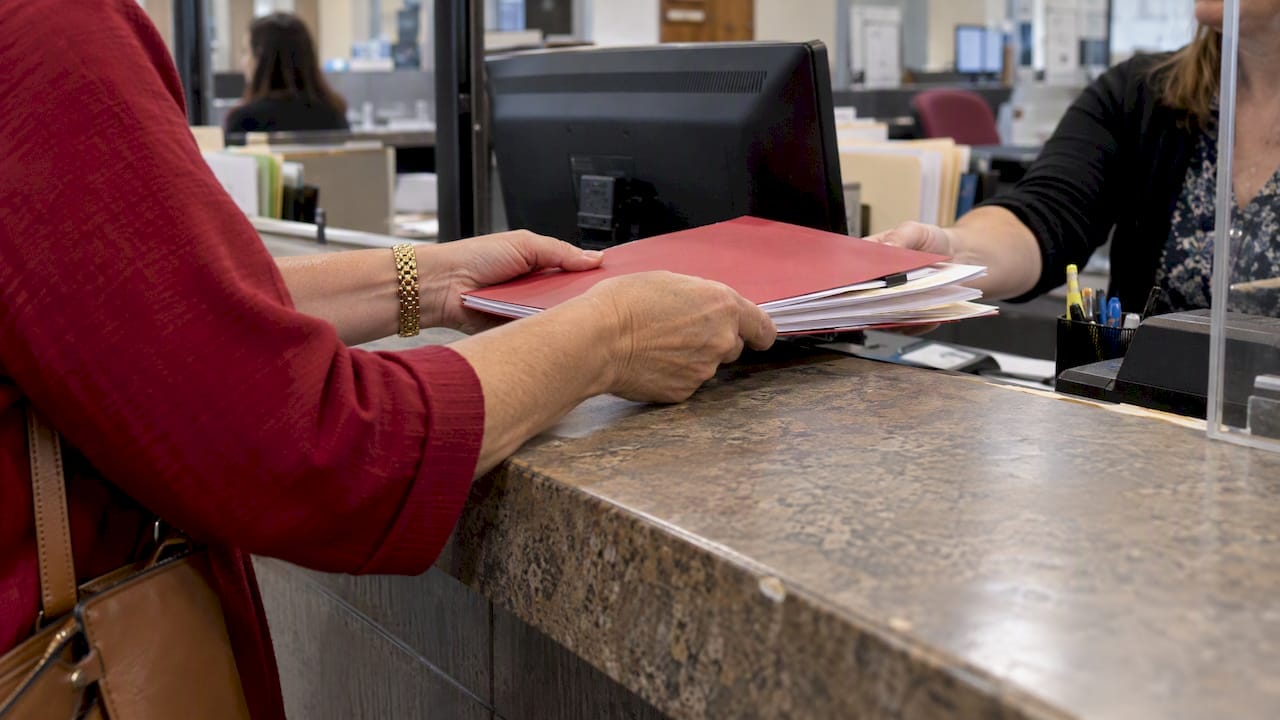
Florida clerks expect a specific paper trail before they will open an ancillary file. Florida Probate Rule 5.470 spells out the required petition contents and notice obligations, including authenticated domiciliary records for testate estates.
- Authenticated domiciliary records, including the petition, the order admitting the will to probate, and the letters issued in the home state or country.
- Certified death certificate for the decedent.
- Proposed orders formatted the way your filing circuit expects.
- Oath of personal representative and proof of any required bond.
- Inventory of the Florida assets and draft notice-to-creditors materials.
An authenticated copy carries a court seal and certification confirming it is a true copy of the original record, which plain copies lack and Florida clerks will not accept in their place. Since requesting an authenticated transcript from the domiciliary court can take weeks, start that request as soon as you know Florida administration is needed.
Before filing, call the county probate division. Circuit-level checklists, like the one Manatee County publishes, list exact petition items and submission formats, and practices around bond waivers and ePortal filing vary by circuit.
Timeline, Venue, and Cost Factors to Expect
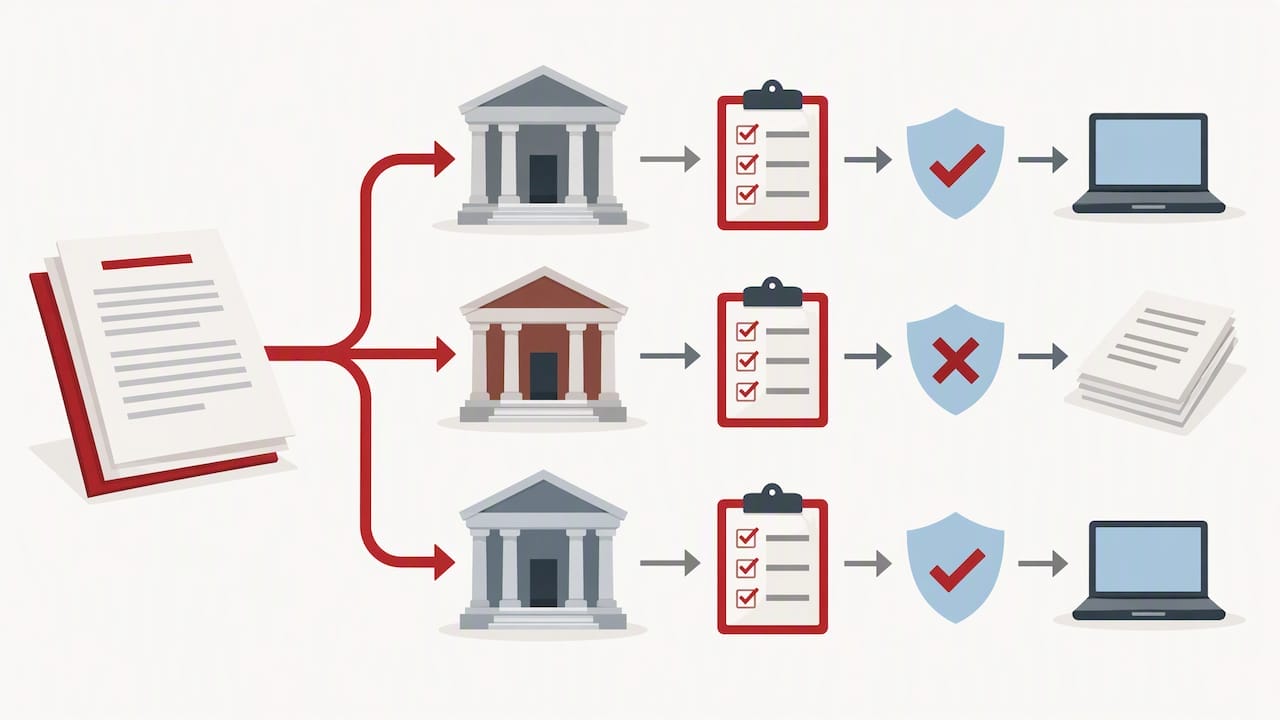
Venue in an ancillary case is the Florida county where the real property sits, or where the debtor resides if the asset is a debt rather than land. Filing and hearings happen there, which matters if the property and the personal representative are in different parts of the state.
Once the authenticated records are in hand, the timeline depends heavily on whether anyone contests the matter. A clean short-form filing can move relatively quickly, while formal administration follows the same notice periods and creditor claim windows as a standard Florida probate, since the statute ties ancillary administration back to Chapter 733’s creditor rules. Missing authenticated documents or a contested claim are the two most common things that stretch the process out.
- Attorney fees, which scale with whether the matter is summary or formal.
- Bond premiums, when the court requires one.
- Filing and publication fees tied to notice to creditors.
- Appraisal costs for real estate or other property that needs a valuation.
A short-form ancillary filing in Florida can apply to testate estates when the Florida property is valued at $50,000 or less, which is often the dividing line between a quick transcript filing and a full case.
Practical Ways Families Avoid Ancillary Probate on Florida Assets
Most of the strategies that prevent ancillary administration are set up long before anyone dies, which is why estate planning matters even for Florida snowbirds and part-time residents.
A properly funded revocable living trust is the most common fix. When the deed to Florida real estate is retitled into the trust’s name while the owner is alive, the property passes under the trust terms at death instead of through any probate court. Our overview of Florida trust administration walks through what “properly funded” actually requires.
- Confirm the deed itself, not just the estate plan documents, reflects trust ownership.
- Consider an enhanced life estate deed, often called a Lady Bird deed, which lets an owner keep full control during life while the property transfers automatically at death.
- Use joint tenancy with right of survivorship or a payable-on-death beneficiary designation for accounts and some property types, since these pass outside probate when set up correctly.
Pro Tip: Check how Florida real estate is actually titled today, not just what the will says, since a deed that was never updated is the most common reason an avoidance plan fails.
Our page on Florida probate avoidance covers these tools in more depth, including how a transfer-on-death deed works for a single piece of Florida property.
Steps for an Executor Opening Ancillary Probate in Florida
If avoidance planning was not done before death, here is the order of operations for a foreign personal representative or executor:
- Identify every Florida-located asset: real estate, debts owed by Florida residents, and any liens.
- Request authenticated domiciliary probate records from the home court immediately.
- Confirm the correct Florida venue based on where the property or debtor sits.
- File either the full ancillary petition or the authenticated transcript, if the estate qualifies.
- Serve required notices and publish notice to creditors where the law calls for it.
- Post bond if required and take the personal representative’s oath.
- Complete the inventory and resolve creditor claims within the statutory window.
- Transfer or transmit the remaining Florida property to the domiciliary estate or its beneficiaries.
Use the clerk’s ePortal for proposed orders where your circuit allows it, and bundle authenticated documents into one clean PDF to avoid delays. If a creditor disputes a claim or an heir contests the will, that is the point to bring in counsel rather than proceed alone.
| Step | What it accomplishes |
|---|---|
| Authenticate domiciliary records | Satisfies Florida’s evidentiary requirement for the foreign estate |
| Confirm venue | Avoids filing in the wrong county |
| File petition or transcript | Opens the Florida case or qualifies for the short-form route |
| Handle creditor claims | Protects the estate from late claims after distribution |
How We Approach Ancillary Probate Cases in Brevard County
Ancillary probate is a procedural problem first: get the right authenticated paperwork in front of the right clerk, in the right order. We bring extensive legal experience to that process, along with skills in mediation for the family disputes that sometimes surface during estate administration. Our work centers on gathering domiciliary records, using the authenticated transcript route when an estate qualifies, and navigating local clerk expectations so filings move without avoidable delays.
Ancillary probate rewards preparation. The estates that move fastest through a Florida court are the ones where someone requested the authenticated domiciliary records before they were asked for them.
— John
Get Help With a Florida Ancillary Probate Filing
Handling a Florida ancillary case from out of state usually means juggling two courts, two sets of deadlines, and paperwork that has to meet Florida’s authentication standards exactly. We handle that coordination directly: gathering and authenticating domiciliary records, drafting and filing the petition or short-form transcript, managing bond and oath requirements, and seeing the matter through to distribution.

- Document authentication and preparation for domiciliary records.
- Petition drafting for formal or short-form ancillary administration.
- Court representation through hearings, creditor claims, and distribution.
- Bond arrangement and oath filing on the personal representative’s behalf.
When an estate spans more than one country, resources like this guide on cross-border inheritance steps can help explain the added layers before you reach out. If the ancillary estate includes Florida real estate that needs to be sold rather than kept, this overview of how probate affects a property sale is a useful companion resource for executors.
| Bring to your consult | Why it matters |
|---|---|
| Authenticated domiciliary records | Confirms the foreign estate’s legal status |
| Full list of Florida assets | Determines whether short-form or formal filing applies |
| Contact information for Florida debtors | Needed if the estate includes money owed by Florida residents |
Pro Tip: Call ahead so we can flag which documents to request from the domiciliary court first, since that request is usually the longest step in the whole process.
We offer a free 30-minute consultation to walk through what your estate needs. Visit our Probate and Trust Administration page to schedule a time and get started.
This article is general information, not a substitute for advice from a qualified lawyer. Consult a qualified legal professional about your own circumstances before acting on anything here.
FAQ
How do you avoid ancillary probate in Florida?
The most reliable way is retitling Florida real estate into a properly funded revocable living trust before death, so the property passes under the trust instead of through probate. Lady Bird deeds, joint tenancy with right of survivorship, and beneficiary designations on accounts can also keep specific assets out of the Florida court process.
How long does ancillary probate take in Florida?
Timing depends on whether the estate qualifies for the short-form authenticated transcript route or needs formal administration, and whether any creditor or heir contests the matter. Missing authenticated domiciliary records is the most common delay, so requesting them from the home court early shortens the overall timeline.
How much does ancillary probate cost in Florida?
Costs typically include attorney fees, bond premiums when a bond is required, court filing and publication fees, and appraisal costs for real estate or other valued property. Formal ancillary administration generally costs more than the short-form transcript route because it involves more court steps and a longer creditor claim period.
What documents are needed for an ancillary probate in Florida?
You need authenticated copies of the domiciliary petition, the order admitting the will, and the letters issued in the home jurisdiction, along with a certified death certificate and an inventory of the Florida assets. Florida Probate Rule 5.470 also requires a properly formatted petition and notice materials before the court will issue ancillary letters.
Sources
- Florida Statutes § 734.102 Ancillary administration
- Probate in Florida — The Florida Bar consumer pamphlet
- Chapter 734, Florida Statutes (Ancillary administration and related sections)
- Manatee County summary ancillary administration checklist (example)