Mediation in personal injury cases is defined as a voluntary, confidential process where a neutral third party helps the injured person and the at-fault party negotiate a settlement without going to trial. Known formally as Alternative Dispute Resolution (ADR), this method gives you direct control over the outcome of your claim. Courts actively promote mediation to reduce case backlogs and preserve judicial resources. Understanding how personal injury mediation works, when to use it, and how to prepare can mean the difference between a fair settlement and a prolonged court battle.
What is mediation in personal injury: how the process works
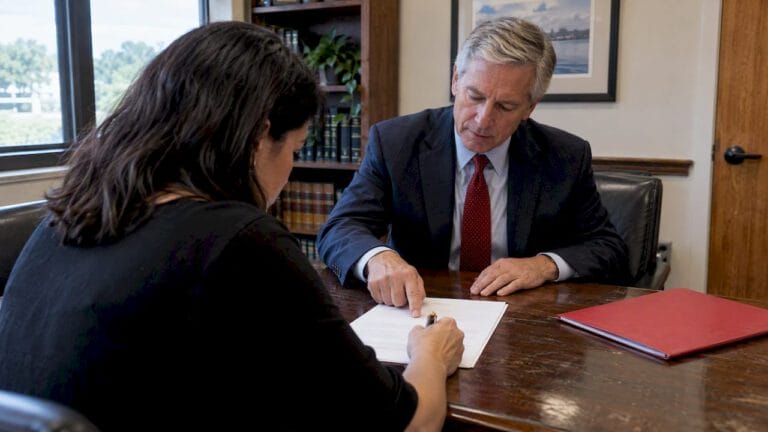
Mediation is a structured negotiation, not a mini-trial. No judge rules on your case, no jury deliberates, and no formal evidence is admitted into the record. A certified mediator facilitates the conversation, keeps both sides focused, and helps identify common ground. The mediator does not decide who wins. That distinction matters because it means you retain final say over any agreement.
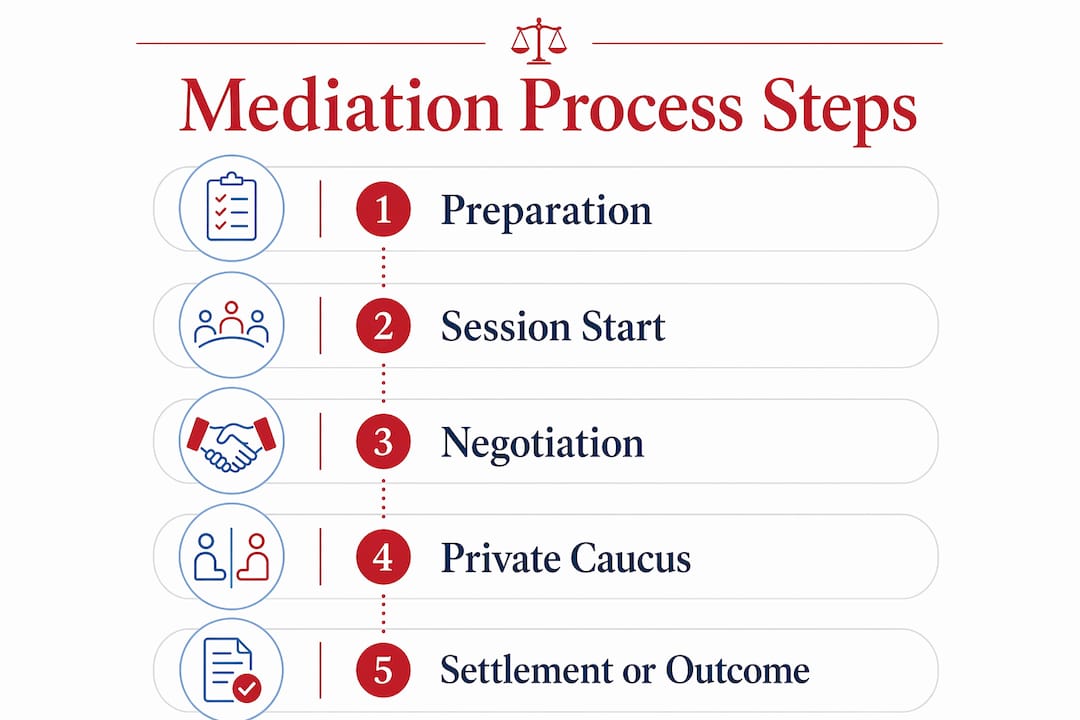
The personal injury mediation process follows a predictable sequence:
- Opening statements. Each side briefly explains their position. Attorneys typically speak for their clients here.
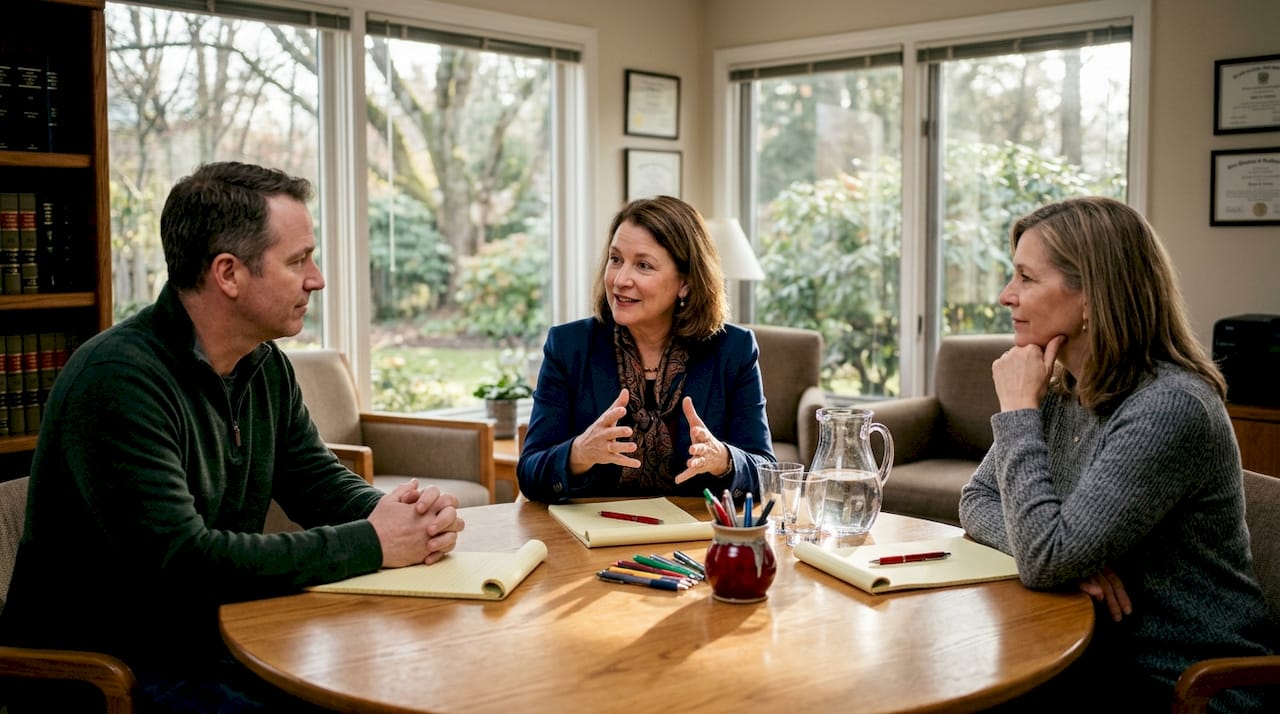
- Joint session. Both parties sit together and the mediator outlines the ground rules and goals for the day.
- Private caucuses. The mediator meets separately with each side. These sessions are where real negotiation happens.
- Negotiation exchanges. The mediator carries offers and counteroffers between rooms, helping each side understand the other’s perspective.
- Resolution or impasse. Either the parties reach an agreement or the session ends without one, and the case returns to litigation.
Mediation sessions typically last from a few hours to a full business day, depending on case complexity. A straightforward car accident claim may wrap up in three hours. A multi-party commercial truck accident can run all day.
Pro Tip: Bring your attorney to every mediation session. Mediation is informal compared to trial, but the decisions made there are serious and can bind you once you sign.
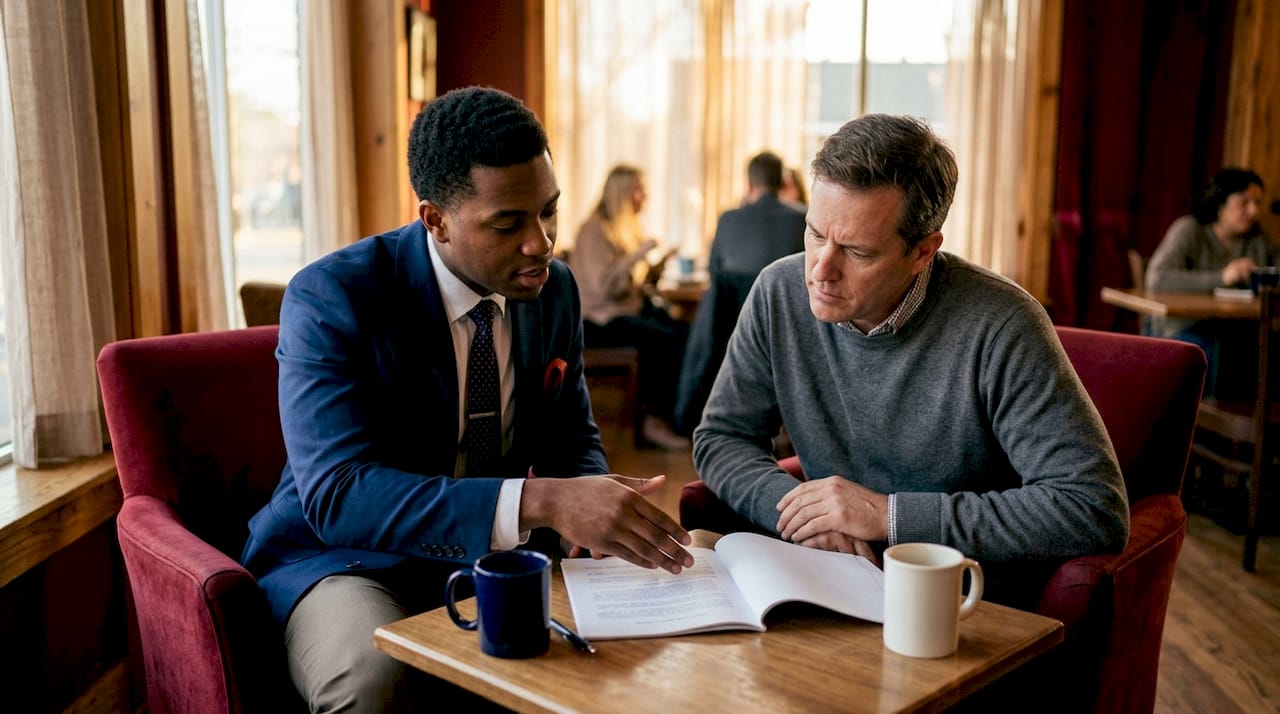
The private caucus sessions are critical for candid communication. You can tell the mediator things you would never say directly to the other side, including your real bottom line, your fears about trial, and what a settlement would mean for your recovery. That honest exchange is what makes mediation work.
What are the benefits and limitations of mediation for injury claims?
Mediation offers real advantages over going straight to trial. Speed and cost top the list. Mediation avoids the lengthy scheduling delays and significant expenses that come with full litigation. Trial preparation alone can take months and cost thousands of dollars in expert witness fees, court costs, and attorney time.
The benefits of mediation for injury claims include:
- Control over outcome. You and the other party voluntarily accept any settlement. No judge or jury imposes a result on you.
- Confidentiality. What is said in mediation stays in mediation. This protects sensitive medical and financial information.
- Less stress. Mediation is far less adversarial than a courtroom. You are not cross-examined or put on the stand.
- Flexibility. Settlement terms can be creative. Structured payments, apologies, and policy changes are all possible outcomes that a court cannot order.
- Preserved relationships. When the other party is an employer, neighbor, or insurer you will deal with again, mediation avoids the scorched-earth dynamic of trial.
Mediation also has real limitations. The process is non-binding, meaning either party can walk away without agreeing to anything. If the other side participates in bad faith, simply going through the motions to delay litigation, mediation wastes time and money.
Timing is everything in personal injury mediation. Early mediation without sufficient discovery can widen the gap between parties rather than close it. When neither side has a realistic picture of damages and liability, offers and demands stay far apart and frustration builds fast.
Mediation also does not work well when one party has vastly more information than the other. If the defendant’s insurer has access to surveillance footage or medical reviews that you have not seen yet, you negotiate at a disadvantage. Discovery must be substantially complete before mediation delivers its best results.
How to prepare effectively for personal injury mediation
Preparation is the single biggest factor in whether mediation succeeds. Most people who leave mediation without a fair settlement did not prepare well enough. The good news is that preparation is straightforward if you know what to focus on.
Gather and organize your evidence before the session:
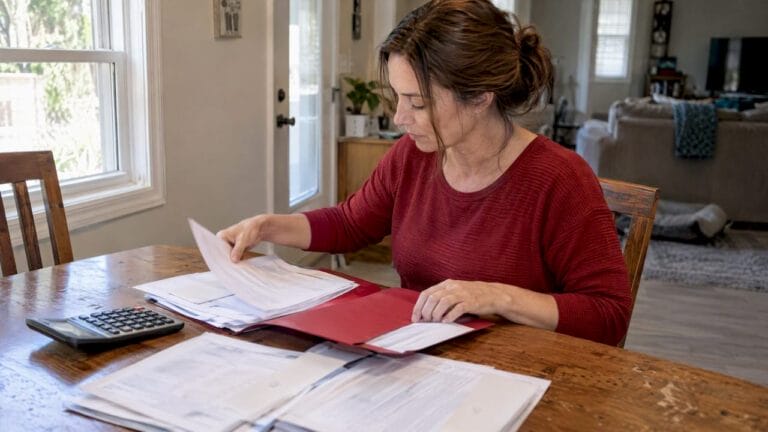
- Medical records. Bring complete treatment records, bills, and any future care estimates from your treating physicians.
- Proof of lost income. Pay stubs, tax returns, and employer letters documenting missed work all strengthen your position.
- Liability documentation. Police reports, photographs, witness statements, and any expert opinions on fault.
- A written demand summary. Your attorney should prepare a mediation brief that lays out your damages and legal arguments clearly.
Your attorney should also help you understand what your lawyer needs to build the strongest possible position before you walk into that room. Knowing the realistic settlement value of your case is not optional. You need a number in mind before negotiations start, along with a floor below which you will not go.
Pro Tip: Do not make your first offer your best offer. Mediation is a negotiation. Starting with room to move gives you flexibility without giving away your position.
Use the private caucus strategically. Tell the mediator what matters most to you beyond the dollar amount. Quick payment? A written apology? Certainty of outcome versus the risk of trial? Mediators use that information to find solutions that pure dollar negotiations miss. Mediation as a strategic tool works best when both parties share a realistic understanding of the risks they face at trial.
Avoid these common mistakes during the session. Do not exaggerate your injuries or losses. Do not make personal attacks on the other party. Do not reject offers without discussing them privately with your attorney first. Reviewing common personal injury mistakes before your session can help you avoid the errors that derail otherwise strong claims.
What happens after mediation: settlements and next steps
The outcome of mediation falls into two categories: settlement or no settlement. Each path has clear next steps.
| Outcome | What happens next | Timeline |
|---|---|---|
| Settlement reached | Mediator drafts a memorandum of understanding | Same day as session |
| Formal documents prepared | Attorneys draft the full release and settlement agreement | Days to weeks after session |
| Agreement signed | Case is formally resolved; no further litigation | Upon signing |
| No settlement reached | Case returns to litigation or trial preparation | Immediately after session |
| Mediation rescheduled | Parties agree to try again after more discovery | Weeks to months later |
Mediation rarely ends with a signed settlement contract on the same day. The session typically closes with a summary of agreed terms, and attorneys then draft the formal release documents. That document, once signed, is legally binding. You give up your right to sue the other party for the same injury in exchange for the agreed compensation.
If mediation fails to produce a settlement, the case proceeds through traditional litigation unchanged. Your rights are fully preserved. Nothing said during mediation can be used against you in court, which is one of the strongest protections the process offers. Many cases that fail at a first mediation session settle at a second session after additional discovery closes the information gap.
A common misconception is that a failed mediation means the case is headed straight to trial. Most cases settle before trial even after mediation breaks down. The process still narrows the issues and gives both sides a clearer picture of where the real disagreements lie.
Key Takeaways
Personal injury mediation is the most effective path to a fair settlement when both parties have completed discovery and enter the process prepared and in good faith.
| Point | Details |
|---|---|
| Mediation is voluntary and non-binding | Either party can walk away; no ruling is issued without a signed agreement. |
| Timing determines success | Mediation works best after discovery is substantially complete, not before. |
| Private caucuses drive results | Use caucus sessions to share your real priorities and let the mediator find solutions. |
| Preparation is non-negotiable | Bring organized medical records, income proof, and a realistic settlement target. |
| Failed mediation preserves your rights | Nothing said in mediation can be used at trial; litigation continues unchanged. |
What I have learned about when mediation actually works
After years of guiding clients through personal injury mediation in Brevard County, I can tell you the biggest mistake I see is treating mediation as a formality. Clients sometimes arrive thinking the mediator will split the difference and everyone goes home. That is not how it works.
Mediation is a negotiation, and negotiation rewards preparation. The clients who get the best results are the ones who know their case cold before they walk in. They understand their medical prognosis, their lost income down to the dollar, and the realistic risks of going to trial. They also understand that certainty has real value. A guaranteed settlement today is often worth more than a potentially larger verdict two years from now.
The other thing I have seen consistently is that the private caucus is where cases actually settle. When a mediator can sit with a client privately and say, “Here is what the other side is really worried about,” the conversation shifts. Suddenly it is not about winning. It is about solving a problem. That shift is where agreements happen.
My honest advice: do not go into mediation without experienced legal counsel, and do not go in early. Wait until you have the evidence you need. Mediation is a tool, and like any tool, it only works when you use it at the right time and in the right way.
— John
Jmoorelegal’s approach to personal injury mediation
Facing a personal injury claim is stressful enough without having to figure out the mediation process on your own. Jmoorelegal has guided clients through every stage of personal injury claims in Brevard County, Florida, from the first consultation through mediation and, when necessary, trial.
Jmoorelegal is mediation certified and brings decades of experience to every negotiation. The focus is always on maximizing your compensation while minimizing delays and unnecessary legal costs. Every client gets direct attorney access, a personalized legal strategy, and a free initial consultation to assess your case honestly. If mediation is the right path for your claim, Jmoorelegal will prepare you to walk in ready and walk out with a result you can live with.
FAQ
What is personal injury mediation?
Personal injury mediation is a voluntary, confidential process where a neutral mediator helps the injured party and the defendant negotiate a settlement outside of court. No judge or jury is involved, and no ruling is issued without both parties agreeing.
Is mediation binding in a personal injury case?
Mediation itself is non-binding. However, once both parties sign the formal settlement agreement drafted after the session, that document is legally binding and ends the right to further litigation on the same claim.
How long does a personal injury mediation session take?
Sessions typically last from a few hours to a full business day, depending on the complexity of the case and how far apart the parties are at the start.
What happens if mediation fails?
If no settlement is reached, the case returns to litigation unchanged. Nothing said during mediation can be used against either party in court, so your legal position is fully preserved.
When is the best time to mediate a personal injury claim?
Mediation works best after the discovery process is substantially complete, typically one to two years after the accident in many jurisdictions. Going to mediation too early, before both sides have a realistic picture of damages and liability, often widens the gap between parties rather than closing it.