Premises liability is the legal rule that holds property owners or occupiers responsible when unsafe conditions on their property cause someone harm. If you were hurt on someone else’s property — a wet grocery store floor, a broken apartment staircase, a poorly lit parking garage — you may have a valid claim. The immediate priorities: get medical care, report the incident to the property owner or manager, and preserve any evidence you can. Resources like Justia’s premises liability center and the NYC Bar’s overview lay out the legal framework clearly, and a firm like Jmoorelegal can help you apply it to your specific situation in Brevard County, Florida.
Key Takeaways
Premises liability requires proving four specific elements — duty, breach, causation, and damages — and the strength of your evidence, gathered immediately after the injury, largely determines the outcome.
| Point | Details |
|---|---|
| Core definition | Premises liability holds owners or occupiers responsible for injuries caused by unsafe conditions on their property. |
| Four required elements | You must prove duty, breach, causation, and damages — missing any one element defeats the claim. |
| Act immediately after injury | Seek medical care, photograph the scene, report the incident, and preserve evidence within the first 48–72 hours. |
| Florida’s filing deadline | Florida’s statute of limitations for premises liability claims is two years from the date of injury — do not delay. |
| Get legal help early | Jmoorelegal offers free consultations for premises liability claims in Brevard County on a contingency fee basis. |
Table of Contents
- What premises liability covers and who can be held responsible
- The four elements you must prove in a premises liability claim
- How visitor status affects the duty an owner owes you
- Common premises liability scenarios you should recognize
- How to prove a premises liability claim: notice and evidence
- Defenses property owners typically raise
- What compensation is available and who typically pays
- How long you have to file a premises liability claim
- What to do immediately after a premises injury
- When you should consult a premises liability attorney
- What people consistently get wrong about premises liability
- Jmoorelegal handles premises liability claims in Brevard County
- Sources
What premises liability covers and who can be held responsible
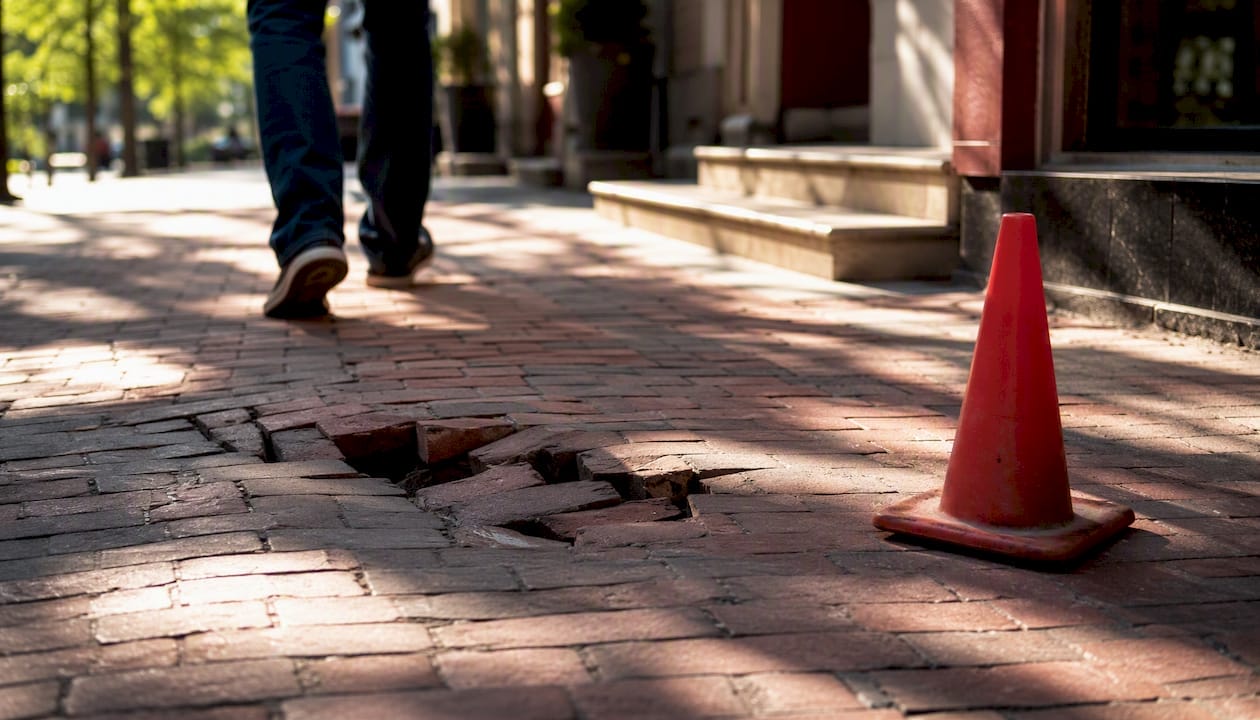
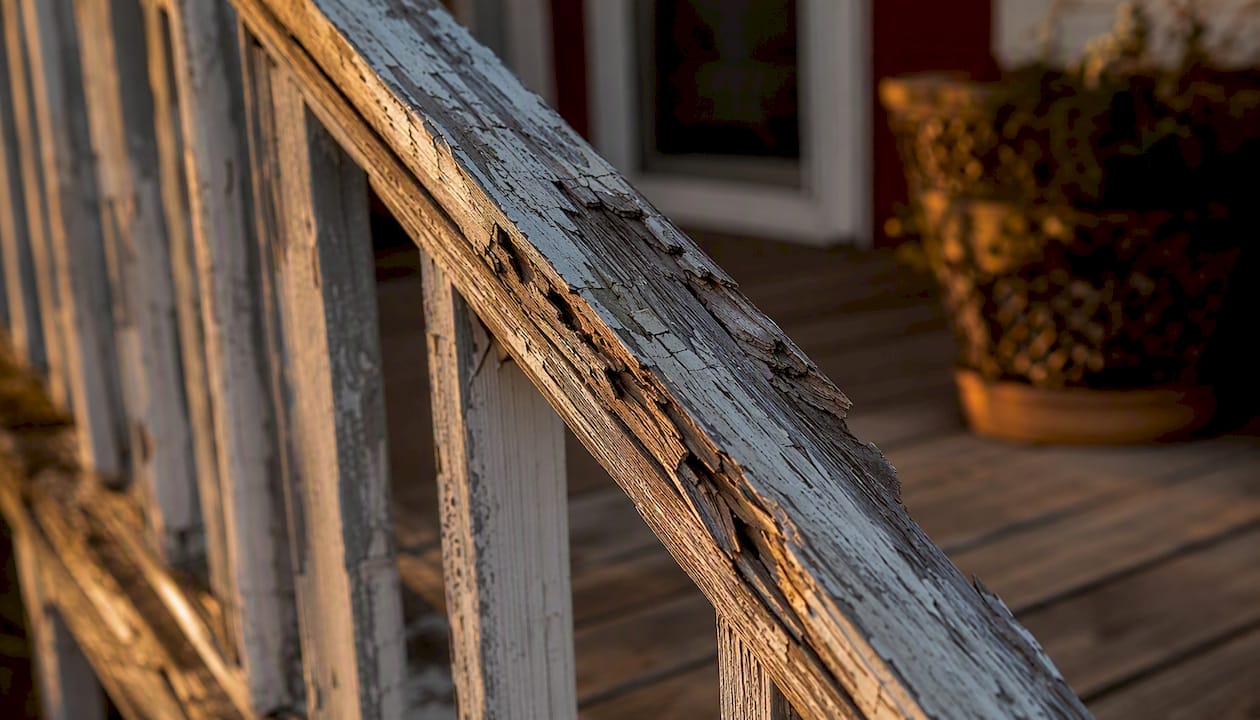
Premises liability falls under personal injury law. It applies whenever a hazardous or unreasonably dangerous condition on a property causes injury to someone who had a right to be there. That covers a wide range of situations: a spill left unattended in a retail store, a cracked sidewalk outside an apartment building, a broken handrail on a private home’s porch, or a swimming pool without adequate fencing.
The scope extends beyond simple maintenance failures. The National Trial Lawyers note that systemic safety failures — inadequate lighting, poor security staffing, broken surveillance systems — can also create liability when the resulting risk was foreseeable and preventable. A landlord who ignores repeated tenant complaints about a broken lock in a high-crime area may face liability if a resident is later assaulted.
Who can be responsible? The answer is often more than one party. Justia explains that liability can extend to commercial tenants, property management companies, and maintenance contractors — whoever had possession and control of the relevant area at the time of injury. Rosenbaum Meier draws the distinction clearly: the title holder (owner) and the party with day-to-day operational control (operator or lessee) can both bear responsibility, and lease terms often determine how that responsibility is divided. A grocery chain leasing a commercial space may carry the safety obligation for the sales floor, while the building owner remains responsible for the parking lot.
The four elements you must prove in a premises liability claim
Every premises liability case rests on four elements. Miss one, and the claim fails. Here they are, with a plain-language explanation and a concrete example for each.
-
Duty of care. The property owner or occupier owed a legal obligation to keep the premises reasonably safe for you. Example: A retail store owes a duty of care to every customer who walks through its doors.
-
Breach of duty. The owner failed to meet that obligation — by creating a hazard, ignoring one, or failing to warn visitors. Example: The store’s staff mopped a floor and left no “wet floor” sign for 45 minutes during peak shopping hours.
-
Causation. The breach directly caused your injury. You must show the unsafe condition — not some unrelated factor — is what hurt you. Example: You slipped on that wet floor and fractured your wrist; the fall, not a pre-existing condition, caused the fracture.
-
Damages. You suffered actual, compensable harm: medical bills, lost wages, pain and suffering. Example: Your medical records document the fracture, two surgeries, and six weeks of missed work.
Evidence that tends to support each element includes eyewitness statements (duty and breach), time-stamped photos of the hazard (breach), emergency room records tied to the date of the incident (causation), and itemized medical bills alongside pay stubs (damages). Courts and insurers look for documentation that connects the dots between the condition, the fall, and the financial impact.
How visitor status affects the duty an owner owes you
Traditional premises liability law sorts visitors into three categories, and the category you fall into determines how much protection you get.
| Visitor status | Typical duty owed | Practical example |
|---|---|---|
| Invitee | Highest duty: inspect, repair, and warn of known and discoverable hazards | A shopper in a grocery store; a patient in a medical office |
| Licensee | Moderate duty: warn of known hazards the visitor is unlikely to discover | A social guest at a private home |
| Trespasser | Minimal duty: refrain from willful or wanton harm | An adult who cuts through a fenced yard without permission |
The invitee/licensee/trespasser framework is still the dominant model in most U.S. states, but Wikipedia’s premises liability entry documents a meaningful shift: several jurisdictions have moved away from rigid visitor categories and now apply a unified reasonable-care standard for all lawful visitors. California, for instance, abolished the invitee/licensee distinction decades ago. For plaintiffs, this matters because a reasonable-care state gives you a stronger footing regardless of whether you were a formal business invitee or a casual social guest.
Trespassers and children. Trespassers generally receive the least protection, but there are important exceptions. The NYC Bar explains that known trespassers — people the owner is aware regularly cross the property — can trigger a duty to warn. More significantly, the attractive nuisance doctrine holds owners liable for injuries to child trespassers when a hazardous feature (an unfenced pool, an unlocked shed full of machinery) is likely to attract children who cannot appreciate the danger. The doctrine varies by state in scope and application, but an unfenced backyard pool is the textbook example that courts across the country have addressed repeatedly.
Common premises liability scenarios you should recognize
Premises liability cases come in many forms. Some of the most frequently litigated include:
- Slip-and-fall accidents. Wet floors, icy walkways, uneven pavement, and loose rugs account for a large share of premises claims. These are the cases most people picture first, and Jmoorelegal’s slip-and-fall page covers the evidence strategies that tend to matter most.
- Stairway and elevation falls. Broken steps, missing handrails, and inadequate lighting on stairwells produce serious injuries — broken hips, spinal injuries, and traumatic brain injuries among them.
- Inadequate security. A hotel, apartment complex, or parking garage that fails to provide reasonable security measures (working locks, adequate lighting, security personnel) can be liable when a foreseeable criminal act injures a guest or tenant.
- Dog bites. Many states impose strict liability on dog owners for bites, regardless of whether the owner knew the dog was dangerous. Florida follows this rule.
- Swimming pool accidents. Drownings, near-drownings, and diving injuries at residential or commercial pools often involve premises liability, especially when fencing, signage, or supervision requirements were not met.
- Toxic exposure. Mold, asbestos, or chemical spills on a property can give rise to claims when the owner knew or should have known about the hazard.
- Falling objects. Merchandise falling from retail shelves, collapsing ceilings, or debris from construction sites all fall within the premises liability framework.
When product liability overlaps. If a piece of equipment on the property was defective — a gym machine with a faulty cable, an elevator with a malfunctioning door — the claim may run against both the property owner (for failing to inspect or maintain) and the equipment manufacturer (for a design or manufacturing defect). These dual-track cases require careful analysis of which party’s negligence was the proximate cause of the injury, and sometimes both are liable.
How to prove a premises liability claim: notice and evidence
The hardest part of most premises liability cases is proving the owner knew — or should have known — about the dangerous condition. Courts use two concepts to analyze this.
Actual notice means the owner was directly informed of the hazard: a tenant complained in writing about a broken step, or a store employee saw the spill and walked past it. Actual notice is the stronger form and is often documented in maintenance request logs, emails, or prior incident reports.
Constructive notice is the more common battleground. Justia explains the standard: the condition existed long enough that a reasonably careful owner, conducting routine inspections, would have discovered and fixed it. A banana peel that has turned black suggests it has been on the floor for hours. A pothole that appears in multiple prior photos from the property’s own security cameras suggests the owner had ample time to repair it.
Evidence worth preserving immediately:
- Time-stamped photographs of the hazard and the surrounding area
- Medical records and emergency room reports dated the same day as the injury
- The incident report filed with the property owner or manager
- Names and contact information of any witnesses
- Surveillance footage (request it in writing before it is overwritten — many systems loop within 24–72 hours)
- Maintenance logs and prior complaint records (obtainable through discovery)
- Your clothing and footwear from the day of the incident
FindLaw’s slip-and-fall FAQ makes a point worth noting: a “wet floor” sign does not automatically protect an owner. If the sign was placed after the fact, was obscured, or did not adequately describe the hazard, it may carry little weight. Courts and insurers look at whether the warning actually eliminated the foreseeable risk.
Defenses property owners typically raise
Expect the property owner’s insurer to push back. These are the defenses that come up most often:
- Open-and-obvious hazard. The owner argues the danger was so visible that a reasonable person would have noticed and avoided it. This defense can reduce or eliminate recovery in many states, though courts look at whether the hazard was truly obvious given the circumstances (poor lighting, distraction, etc.).
- Comparative negligence. Most states use some form of comparative fault: if you were partly responsible for your injury (texting while walking, ignoring a warning sign), your damages are reduced by your percentage of fault. Under pure comparative negligence (used in Florida), you can recover even if you were 99% at fault, though your award shrinks accordingly. Under modified comparative negligence (used in many other states), recovery is barred once your fault exceeds 50% or 51%.
- Contributory negligence. A small number of states still use the older contributory negligence rule, which bars recovery entirely if the plaintiff was any percentage at fault. Alabama, Maryland, North Carolina, Virginia, and Washington D.C. retain this standard.
- Assumption of risk. If you voluntarily entered a known dangerous area — a construction zone with clear signage, a recreational activity with an inherent risk — the owner may argue you accepted that risk.
- Lack of notice. The owner claims they had no actual or constructive notice of the hazard and therefore could not have remedied it in time.
FindLaw points out that warnings and disclaimers have limited power when they are not timely or sufficiently specific. A generic “caution” sign at the entrance of a large store does not address a specific spill in aisle seven. Contractual waivers — the kind you sign before entering a trampoline park or a gym — can limit recovery for ordinary negligence in some states, but they rarely protect owners against gross negligence or willful misconduct.
What compensation is available and who typically pays
Premises liability damages fall into three categories.
- Economic damages cover quantifiable financial losses: emergency room bills, surgery costs, physical therapy, prescription medications, lost wages during recovery, and projected future medical expenses if the injury is permanent.
- Non-economic damages cover harms that don’t come with a receipt: pain and suffering, emotional distress, loss of enjoyment of life, and loss of consortium for a spouse or partner.
- Punitive damages are awarded only in cases involving conduct that goes beyond ordinary negligence — deliberate concealment of a known hazard, for example, or reckless disregard for visitor safety. They are the exception, not the rule.
In practice, most premises liability claims settle with an insurance company rather than going to trial. The property owner’s general liability policy (for commercial properties) or homeowner’s insurance policy (for residential properties) is usually the source of recovery. Identifying the correct insurer early matters: a commercial tenant’s policy, the building owner’s policy, and a property management company’s policy may all be relevant, and each carrier will try to shift responsibility to the others. Understanding property damage claims and how insurance interacts with premises liability can help you avoid being bounced between carriers.
How long you have to file a premises liability claim
The statute of limitations sets a hard deadline for filing a lawsuit. Miss it, and you lose your right to sue regardless of how strong your case is.
Deadlines vary significantly by state. Across the U.S., statutes of limitations for personal injury claims generally range from 1–6 years from the date of injury, with most states falling in the 2–3 year window. Florida’s statute of limitations for negligence-based personal injury claims requires filing within two years from the date of the incident, following a legislative change in 2023 that shortened the previous period.
A rough timeline for how these cases typically unfold:
- Immediately after injury (days 1–30): Seek medical care, report the incident, gather evidence, consult an attorney.
- Pre-suit phase (months 1–6): Attorney investigates, sends a preservation letter, obtains records, and drafts a demand letter to the insurer.
- Negotiation (months 3–12): Insurer responds, negotiations proceed; many cases settle here.
- Lawsuit filing (if needed): If settlement fails, a complaint is filed before the two-year statute of limitations expires.
- Discovery and resolution (months 12–36+): Depositions, expert witnesses, mediation, and potentially trial.
Pro Tip: Check your state’s specific statute of limitations as soon as possible after an injury. In Florida, you have two years, but waiting even a few months can complicate evidence collection and, in some states, eliminate your claim entirely.
What to do immediately after a premises injury
The steps you take in the first 48–72 hours after an injury have an outsized effect on your claim. Here is the priority order:
- Seek medical care first. Go to an emergency room or urgent care even if you feel “okay.” Adrenaline masks pain, and a gap between the incident and your first medical visit gives insurers a reason to argue the injury was not serious or was caused by something else.
- Report the incident. Notify the property owner, manager, or store supervisor before you leave. Ask for a written incident report and get a copy.
- Photograph everything. The hazard, the surrounding area, any warning signs (or lack thereof), your injuries, and your clothing. Time-stamped photos are powerful evidence.
- Get witness information. Names and phone numbers of anyone who saw the incident or the condition that caused it.
- Preserve your clothing and footwear. Do not wash them. The condition of your shoes, in particular, can be relevant if the defense argues you were wearing inappropriate footwear.
- Keep a symptom and expense log. Write down your pain levels, limitations, and out-of-pocket costs daily. This documentation supports non-economic damage claims.
- Avoid posting about the incident on social media. Insurers routinely monitor claimants’ social media accounts.
- Contact a premises liability attorney. An attorney can send a preservation letter to the property owner demanding that surveillance footage and maintenance records be retained before they are destroyed.
Avoiding common personal injury case mistakes — delayed treatment, failure to document, premature recorded statements to insurers — is often the difference between a strong claim and a compromised one.
When you should consult a premises liability attorney
Not every slip requires a lawyer. A minor bruise with no medical bills and no lost work is probably not worth litigating. But certain situations almost always justify a consultation:
- Serious injuries requiring surgery, hospitalization, or long-term care
- Disputed liability (the owner denies the hazard existed or claims you caused your own injury)
- Significant lost income or permanent impairment
- An insurer offering a quick, low settlement before you know the full extent of your injuries
- A government entity owns the property (special notice requirements and shorter deadlines apply)
What an attorney actually does in these cases: investigates the scene and obtains surveillance footage before it is overwritten; subpoenas maintenance records and prior complaint logs; retains expert witnesses (engineers, safety consultants) to establish the standard of care; drafts and sends a formal demand letter; negotiates with the insurer; and files suit if negotiations fail.
Most premises liability attorneys work on a contingency fee basis: they take a percentage of the recovery (typically 33–40%) and charge nothing upfront. You pay only if you win. An initial consultation is usually free and carries no obligation. Use it to get a realistic assessment of your claim’s value and the strength of your evidence before deciding how to proceed.
What people consistently get wrong about premises liability
The most common mistake I see is treating a premises liability claim like a simple transaction: you got hurt, someone else owns the property, therefore they owe you money. Courts don’t work that way. The owner’s duty is to act reasonably, not to guarantee your safety. A single wet spot that appeared 30 seconds before you slipped is a very different case from one that sat unaddressed for three hours during a busy lunch rush.
The second mistake is underestimating how quickly evidence disappears. Surveillance footage is overwritten. Witnesses forget details. The hazard gets repaired. Every day you wait without preserving evidence is a day the case gets harder to prove. Delayed medical treatment compounds this: insurers use gaps in care to argue the injury was minor or unrelated to the incident.
People also tend to either overestimate or underestimate their case’s value. A broken wrist with a clean recovery and two weeks of missed work is worth far less than a spinal injury requiring ongoing care. Settlement timelines are longer than most people expect — a straightforward case can take 6–12 months; a contested one with litigation can run two years or more. Going in with realistic expectations protects you from accepting a lowball offer out of frustration.
The practical advice I’d give anyone reading this: treat the legal process the way you’d treat a serious medical diagnosis. Get the right professional involved early, follow the prescribed steps, and don’t try to manage it alone when the stakes are high.
Jmoorelegal handles premises liability claims in Brevard County
If you were injured on someone else’s property in Brevard County, Florida, you need an attorney who knows the local courts, the insurers who operate in this market, and the specific procedural rules that apply in Florida — including the two-year statute of limitations that took effect after the 2023 legislative change.

Jmoorelegal’s personal injury practice covers premises liability claims directly: slip-and-falls, inadequate security injuries, pool accidents, and more. The firm offers free initial consultations with no obligation, and premises liability cases are typically handled on a contingency fee basis, meaning you pay nothing unless you recover. Direct attorney access from day one means your case is handled by John Vernon Moore, not passed to a paralegal. To schedule a free consultation and get a candid assessment of your claim, contact Jmoorelegal today.
Sources
These are the primary references used throughout this article. Each covers a distinct aspect of premises liability law and is worth reading directly if you want to go deeper.
- Premises Liability Law | Personal Injury Law Center – Justia
- New York City Premises Liability Lawyer | NYC Bar
- Slip and Fall FAQ – FindLaw
- What is Premises Liability? – The National Trial Lawyers
- What is Premises Liability? – Rosenbaum Meier Personal Injury Lawyers
- Premises liability – Wikipedia
For state-specific filing deadlines, check your state’s official statutes or consult a licensed attorney in your jurisdiction. This article provides general legal information, not legal advice — confirm current rules with a qualified attorney before making decisions about your claim.
This article is general information, not a substitute for advice from a qualified lawyer. Consult a qualified legal professional about your own circumstances before acting on anything here.
Recommended
- Premises Liability – The Law Office of John Vernon Moore, P.A.
- Subrogation in Personal Injury: What It Means for You – The Law Office of John Vernon Moore, P.A.
- If You Have An Accident In A Public Place, How Do You Claim Compensation? – The Law Office of John Vernon Moore, P.A.
- Property Damage Claims: What You Need to Know – The Law Office of John Vernon Moore, P.A.