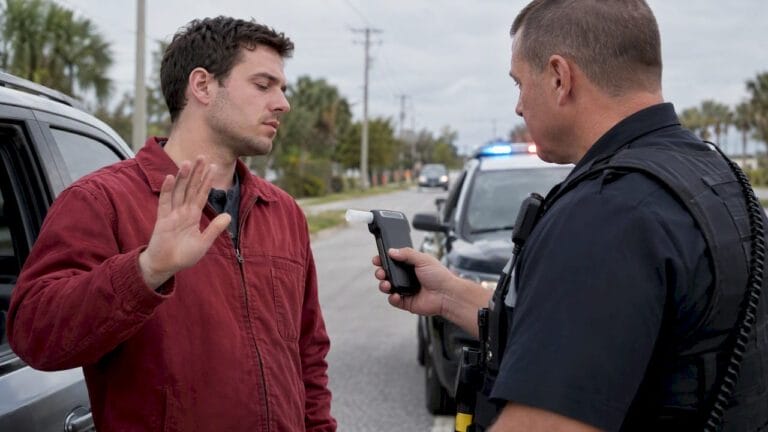
If a Florida court ordered you to install an ignition interlock device, or you’re trying to reinstate your license after a DUI, the device requirement is not optional and skipping it delays everything else. Confirm the exact order with the clerk of court, then contact an FLHSMV-approved provider to schedule installation this week, because the mandatory period doesn’t start counting until FLHSMV adds the restriction to your license.
TL;DR:
- The ignition interlock period only begins after FLHSMV adds the restriction to your record and your license is officially reinstated.
- Installing the device without the “P” restriction on your license has no impact on your compliance clock or legal obligations.
- Delays in reinstatement usually result from clerical paperwork gaps between the installer and FLHSMV, not the device installation itself.
- Out-of-state relocations do not reset the IID requirement, which follows your Florida-issued license until the statutory period ends.
- A court or provider must formally document any medical waiver or employer vehicle exemption, as they do not automatically lift the IID requirement.
Table of Contents
- Who Needs an Ignition Interlock Device Under Florida DUI Law
- Getting the Device Installed and Making the Clock Start
- Finding an Approved Provider and What Installation Day Looks Like
- What an Interlock Actually Costs and Where You Can Get Relief
- What Happens When You Fail a Test or the Device Reports a Problem
- Moving Out of State or Driving With a Florida-Issued Restriction
- Medical Waivers and the Employer-Vehicle Exception
- Why Reinstatement Delays Almost Always Trace Back to Paperwork
- Get Help Sorting Out Your Interlock or Reinstatement Case
- Sources
Who Needs an Ignition Interlock Device Under Florida DUI Law
Florida courts have discretion to order an ignition interlock device on a first DUI conviction, but two circumstances make it close to automatic: a breath or blood alcohol level of 0.15 or higher, or a minor under 18 riding in the vehicle at the time of the offense. Second, third, and later convictions carry their own mandatory minimums regardless of BAL. If a judge fails to include the IID order in writing, FLHSMV still enforces the device requirement administratively based on your conviction record, per Florida Statute § 316.1937.

These figures come directly from FLHSMV’s ignition interlock program chart, and judges retain authority to order longer periods than the statutory floor. Nothing here shortens a sentence a court has already handed down; it only sets the baseline you should expect.
Getting the Device Installed and Making the Clock Start
Installing the device is only half the job. The interlock period doesn’t begin until FLHSMV physically adds a “P” restriction to your driving record and your license is reinstated, according to the department’s own IID FAQ page. A device sitting in your car for three months without that restriction on file counts for nothing.
- Get the court order or FLHSMV notice in writing and confirm the exact required period before scheduling anything.
- Schedule installation with an approved provider, who will file proof of installation electronically with the state.
- Visit a driver license office after installation to have the “P” restriction added and your license reinstated.
- Confirm the restriction actually posted to your driving record, since this is the step that starts your compliance clock.
- Keep your own paper trail: installation receipt, service appointment confirmations, and the reinstatement letter.
The most common delay isn’t the installer, it’s the paperwork gap between the shop and the clerk’s office. If your record doesn’t show the requirement, FLHSMV can’t process reinstatement even after the device is in the car.
Finding an Approved Provider and What Installation Day Looks Like
FLHSMV maintains a list of certified providers who use device models meeting NHTSA and Florida administrative rule standards, so you can’t just buy any breathalyzer online and call it compliant. The department’s provider directory covers most Florida counties, including service centers in Brevard County.
Installation day itself typically involves:
- A technician wiring the device into your ignition circuit, usually a one to two hour appointment.
- A hands-on training session covering the startup breath test, rolling retests while driving, and what a failed test looks like.
- Scheduling your first monthly calibration visit, which recalibrates sensor accuracy and downloads usage data for the court.
- Signing paperwork the provider files with FLHSMV confirming installation.
If you split time between Florida and another state, or your job requires travel, most contracted providers coordinate with sister service centers so you’re not stuck missing a mandatory calibration appointment.
Pro Tip: Book your monthly calibration visits on the same day of the month every time. Missing the appointment window by even a few days can generate a violation report, even if you never failed a test.
What an Interlock Actually Costs and Where You Can Get Relief
Expect four separate line items rather than one flat fee: an installation charge, a monthly rental or service fee, a removal fee at the end of your term, and a small reporting fee tied to each service visit. Add to that a statutory $12 remittance per installation that providers send to the Highway Safety Operating Trust Fund.
- Installation and monthly service fees vary by provider and device model.
- FLHSMV notes that some contracted vendors offer discount programs, though eligibility and terms are set individually by each provider, not the state.
- If you can show the court you genuinely cannot afford installation, judges have authority to reallocate part of your fine toward IID costs instead of stacking that expense on top of the fine.
That last option gets overlooked constantly. Courts won’t offer it automatically. You or your attorney have to raise it.
What Happens When You Fail a Test or the Device Reports a Problem
Interlock violations fall into a few predictable categories: a failed startup test, a missed or failed rolling retest while driving, or evidence of tampering, like someone else blowing into the device for you. Providers log every event and report patterns to the court and FLHSMV automatically.
- A single failed startup test usually triggers a lockout period, not an automatic violation, but repeated failures get flagged.
- Tampering or soliciting another person to provide a breath sample is a separate criminal violation under Florida Statute § 316.1937, carrying its own noncriminal infraction fines.
- A confirmed violation during your required period can trigger a one-year license revocation.
- A second, separate violation during that same required period can escalate the revocation to five years.
- If you dispute a report (a false positive from mouthwash or a device malfunction), request the provider’s data log immediately and raise it with the court or an attorney before the revocation takes effect.
Speed matters here. Waiting weeks to challenge a questionable violation report almost always makes things harder to unwind.
Moving Out of State or Driving With a Florida-Issued Restriction
A Florida-recorded IID obligation doesn’t disappear because you relocate. If Florida issued your license and imposed the restriction, that requirement follows the license, not your address, until the statutory period is satisfied and FLHSMV clears it.
- Notify FLHSMV before you move so your record stays accurate and reinstatement isn’t held up by a mismatched address.
- Ask your provider about transferring service to a location near your new residence; several providers operate across multiple states.
- A DUI conviction from another state counts as a Florida conviction-equivalent for IID purposes when Florida evaluates your driving history, so an out-of-state DUI doesn’t reset the clock or avoid the requirement.
Medical Waivers and the Employer-Vehicle Exception
Florida allows a narrow medical waiver when a documented condition genuinely prevents you from providing an adequate breath sample, but the department has to approve it, not a doctor’s note alone. If granted, expect a permanent restriction limiting you to employment-only driving rather than a full waiver of the requirement.
- Gather medical documentation early and request review through FLHSMV or the Bureau of Administrative Review.
- Employees may drive an employer-owned or leased vehicle without an interlock if the employer has been formally notified, per Florida Statute § 316.1937.
- You must carry proof of that employer notification in the vehicle at all times.
- This exemption does not apply if you own or control the business, so it won’t help self-employed drivers.
Why Reinstatement Delays Almost Always Trace Back to Paperwork
Most of the IID complaints we hear at the firm aren’t about the device itself, they’re about a clerk’s electronic record that never actually reflected the court’s IID order. Verify that record yourself rather than assuming the installer’s filing was enough.
An attorney earns their fee in a few specific scenarios: pushing for a court finding of inability to pay so fines get reallocated toward installation costs, disputing a violation report you believe is inaccurate, or untangling a reinstatement that stalled because the clerk’s report never matched the actual sentence. If you’re also dealing with a related license suspension, that’s worth resolving in parallel, not after the fact.
— John
Get Help Sorting Out Your Interlock or Reinstatement Case
Jmoorelegal gives Brevard County drivers something a DIY approach to FLHSMV paperwork can’t: direct attorney review of your court record before a clerical gap turns into a five-year revocation. We handle ability-to-pay hearings, correct mismatched clerk filings, and push back on disputed violation reports for clients working through Florida’s interlock requirements.

Our DUI defense team reviews your conviction record, checks whether FLHSMV’s file actually matches your court order, and identifies whether you qualify for fine reallocation or a hardship restriction while you’re still under the interlock requirement. If your case also involves a suspended license, we can address both at once rather than making you start two separate processes.
Bring your court order, any FLHSMV correspondence, and your provider’s installation paperwork to a free consultation with our criminal law practice. We’ll tell you plainly whether your reinstatement is on track or stuck in a paperwork gap that needs fixing now.

This article is general information, not a substitute for advice from a qualified lawyer. Consult a qualified legal professional about your own circumstances before acting on anything here.
Sources
- Ignition Interlock Program – Florida Department of Highway Safety and Motor Vehicles
- Florida Statute § 316.1937
- F.S. 322.2715 Ignition interlock device